More Than Another Class: Why I Chose CIP as Part of Our Homeschool Journey
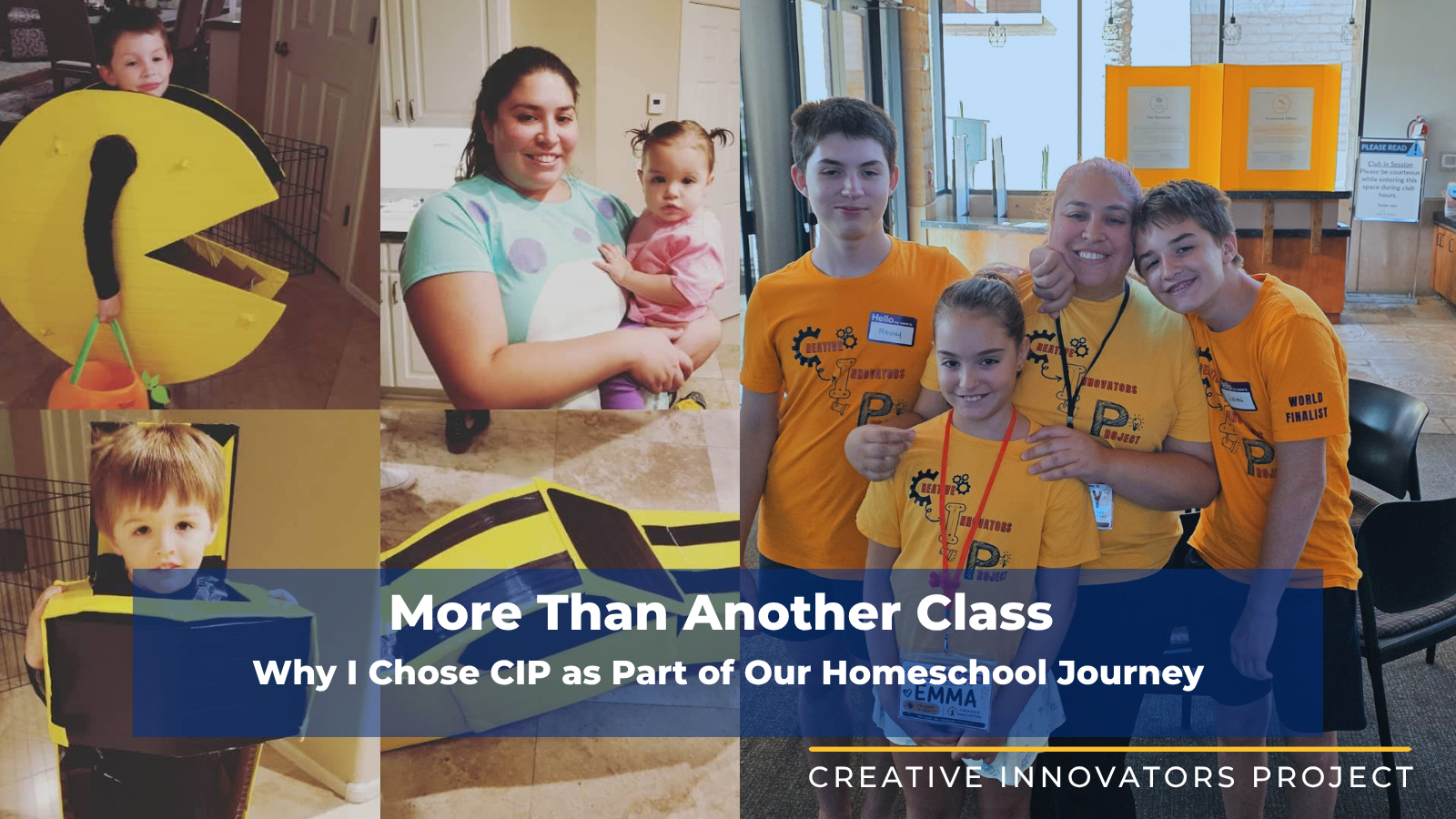
Before Nancy tells you why she chose Creative Innovators Project for her children, I need to tell you a little about why CIP chose Nancy.
Nancy was the very first adult to join this unlikely venture. I had created a club with no budget and assembled a board made up of half middle school students and half newly minted high school students—and Nancy wanted in.
That is why she is family.
Nancy embodies the Creative Innovator Method™ because she is a woman of many talents. Like many of the moms who eventually make their way to CIP, innovation and creativity have always been part of her life. She is a photographer, a homeschool mom, a curriculum designer, a coach, a fundraiser, a costume-maker, and the person somehow keeping up with her children’s race team while helping us build an organization.
Nancy is, if nothing else, HUSTLE.

At CIP, families don’t simply join a program—they bring their interests, talents, and communities with them. Nancy and Emma helped organize our first World Finals fundraiser at Adobe Mountain Speedway, where their family competes in microcar racing.
Without her boundless energy, willingness to try new things, and creative vision, we would not have the program we have today.
Nancy is usually the person behind the camera, but her hands are in nearly every part of CIP—from coaching and curriculum design to fundraising and creating new opportunities for our students.
In addition to coaching and helping shape the experience of every family who walks through our doors, Nancy now oversees our new entrepreneurship pathway. Alongside mentors from our community, she will help give students a special opportunity this year to learn how ideas can become products, possibilities, and even income.
Nancy didn’t simply choose CIP for her family.
She helped us build one.
—Meghan Scherpenberg, Founder
Nancy’s Story
As a homeschool mom, I’m always looking for meaningful ways to add to my children’s education—not by piling on more assignments or signing them up for just another class, but by giving them experiences that help them grow in ways a textbook simply can’t.
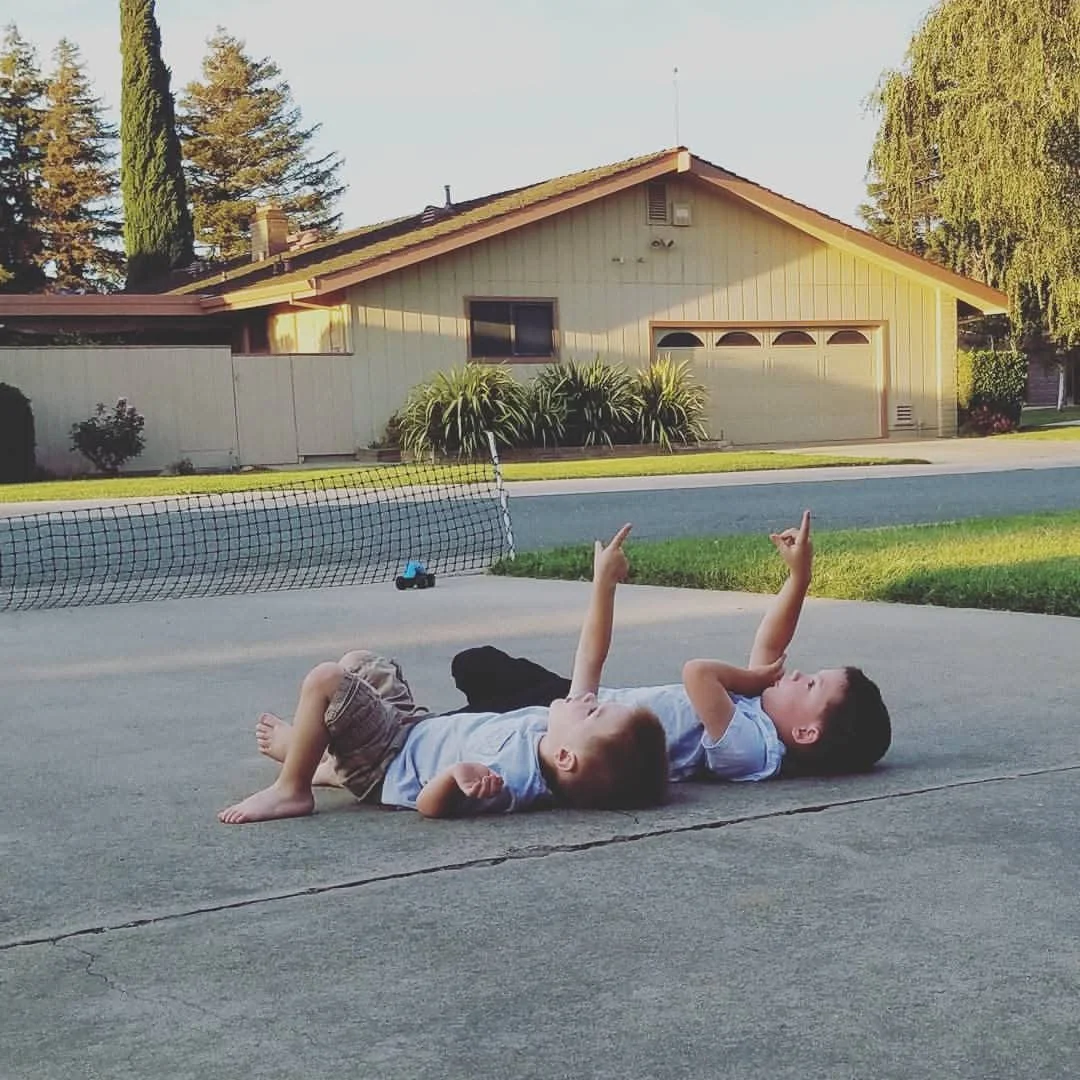
CIP became part of our homeschool journey because I wanted my children to have opportunities that went beyond traditional academics. I wanted a place where they could collaborate, communicate, create, solve problems, and learn how to turn their ideas into something real.
CIP gave them the chance to develop those skills in a hands-on, encouraging environment, making it a natural fit for the learning we were already doing at home.
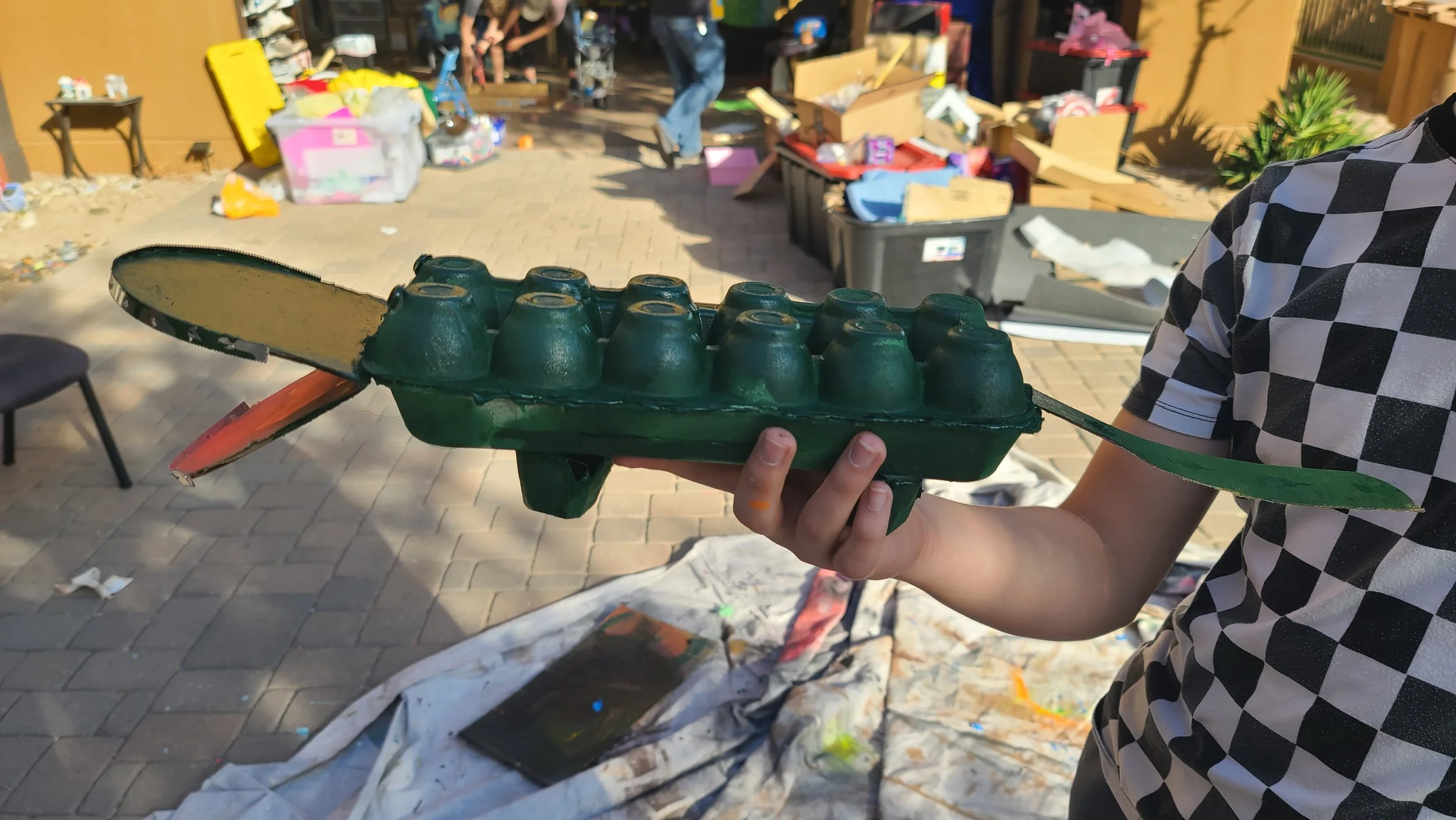
At CIP, ordinary materials become extraordinary ideas. With an egg carton, cardboard scraps, paint, and imagination, one of Nancy’s students transformed what might have been thrown away into something entirely new.
When I first began looking for programs to supplement our homeschool experience, I found plenty of individual classes and camps. Kids could build a robot, learn to code, conduct a science experiment, paint a picture, or complete a specific STEAM project.
Those are all valuable experiences, but I was looking for something different.
I wanted something that brought all of those areas together while also helping children build confidence, resilience, teamwork, creativity, and real-world problem-solving skills.
I couldn’t find another place in the Peoria area—let alone Arizona—offering everything I was looking for in one program.
Then my friend Meghan, who had led the Odyssey of the Mind program at Lake Pleasant Elementary while my children were students there, reached out. She asked if I wanted to continue with Odyssey as a coach while helping her build it into something even bigger and better.
She had me at hello.
That vision eventually became Creative Innovators Project.
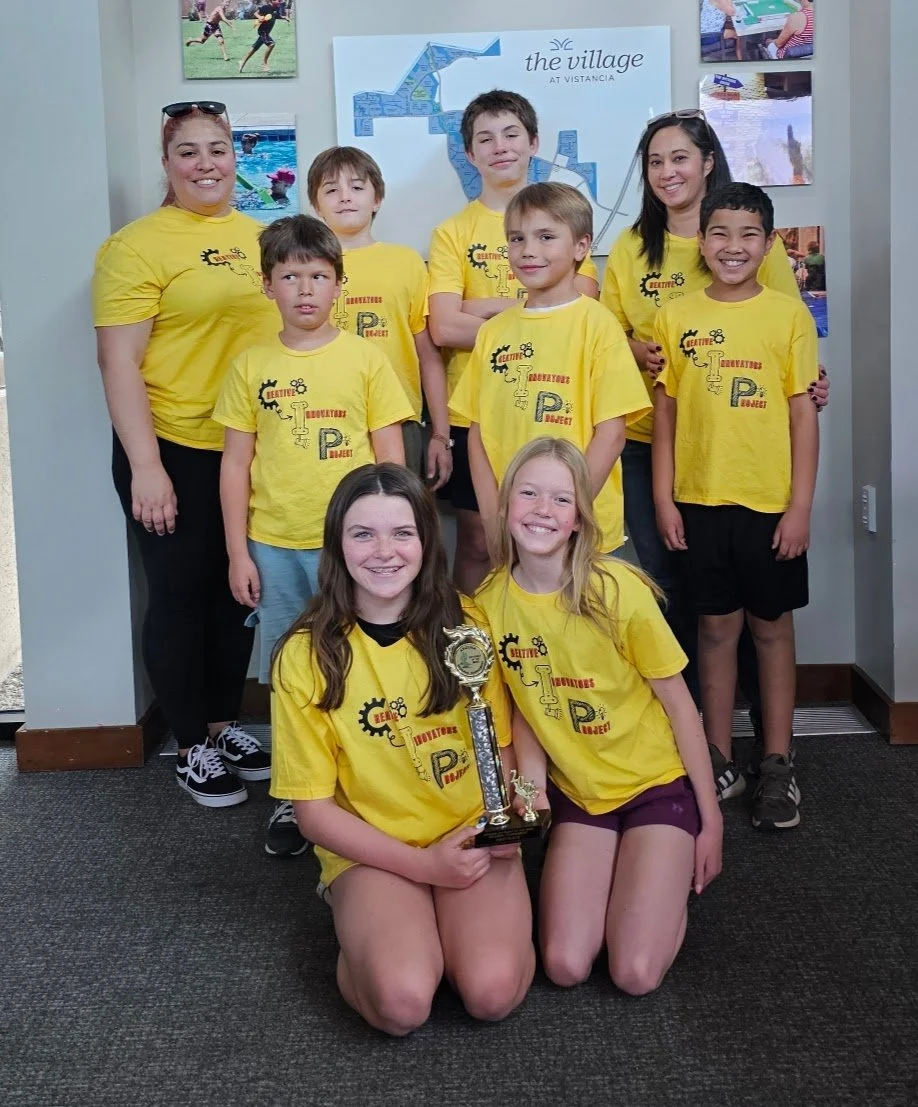
Nancy, a fellow coach, and one of CIP’s early teams celebrate what they accomplished together. Nancy came to CIP looking for meaningful opportunities for her own children—and helped build those opportunities for an entire community of young innovators.
Creativity has always been a big part of who I am. As a child, I dreamed of becoming an artist. As I got older, I became determined to be an architect because I loved the idea of creating art on the scale of an entire building.
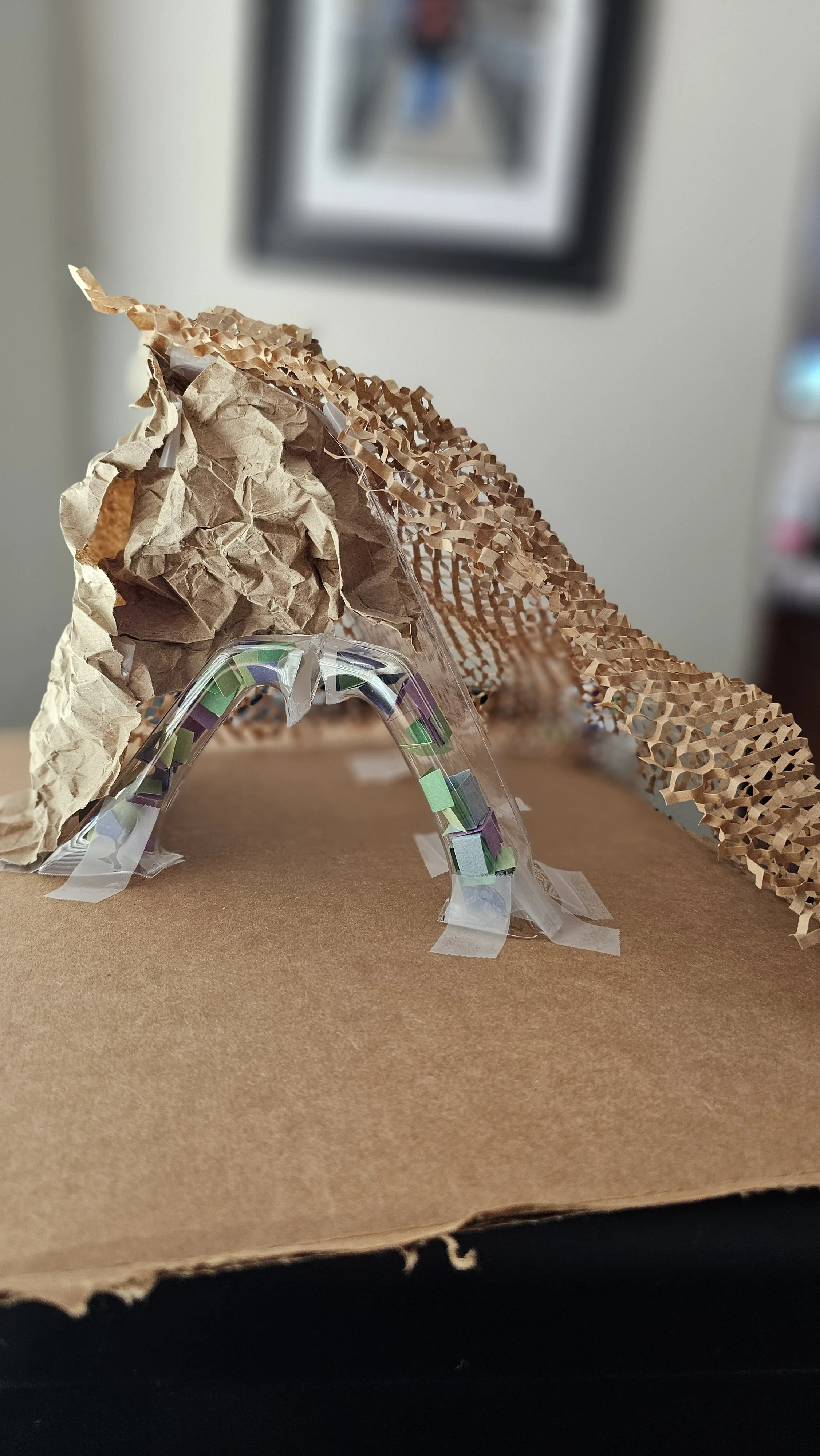
Given the same strict list of scrap materials as every participant in CIP’s Masterpiece Challenge, Nancy drew on two of her lifelong loves—architecture and reading—to design a library filled with natural light, complete with a transparent column of books at the entrance.
That particular dream didn’t come true, but creativity still found its way into my adult life. I learned photography, built my own photography business, and found a career that allowed me to create, tell stories, and bring ideas to life.
When my children came along, creativity became part of our family life too. I loved designing and making their Halloween costumes almost every year. As they grew, I watched them turn empty Amazon boxes into costumes, props, inventions, and weapons—yes, plenty of cardboard weapons!
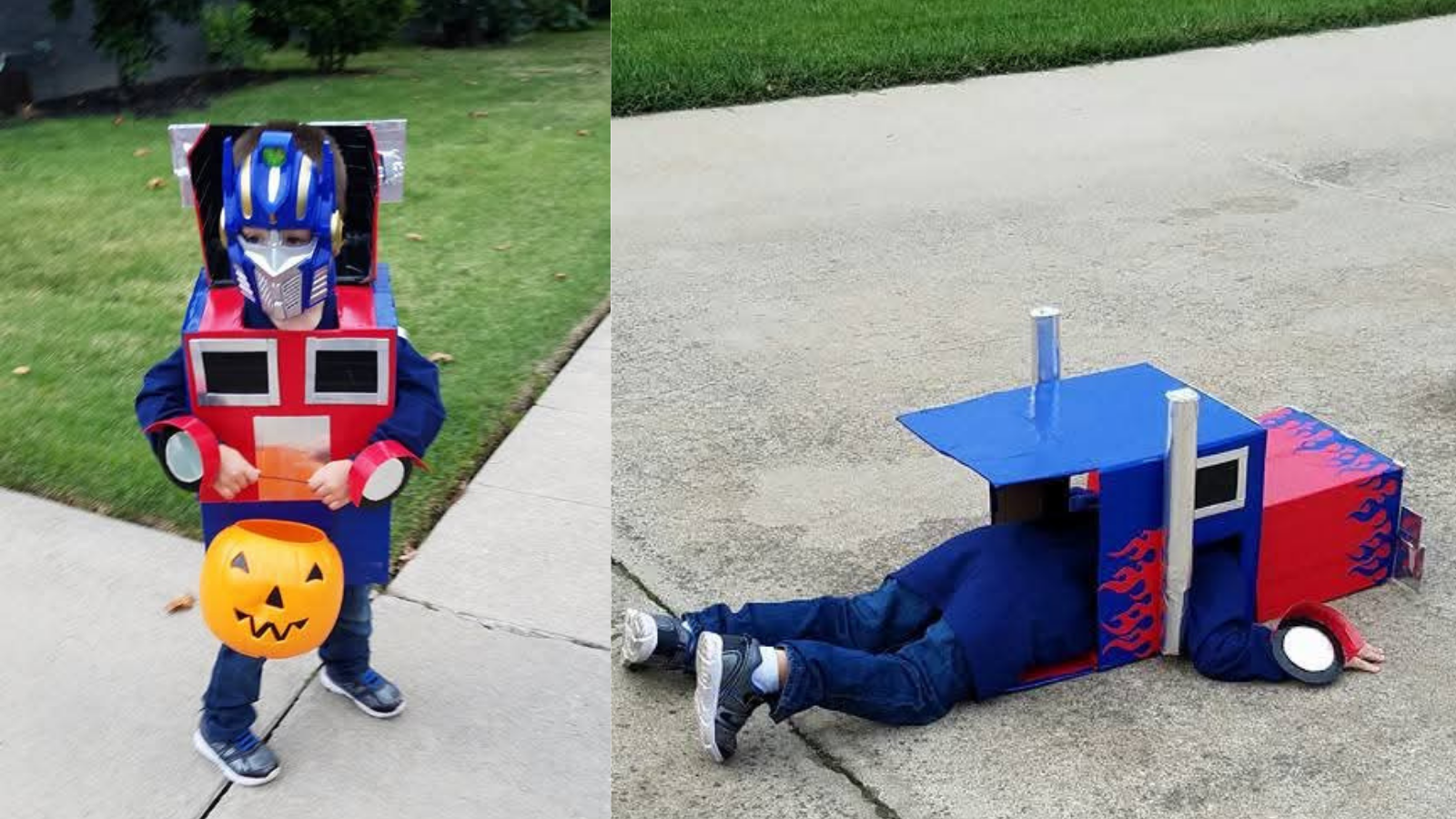
They didn’t need detailed instructions or the “right” supplies. They just needed a few materials, their imaginations, and the freedom to create.
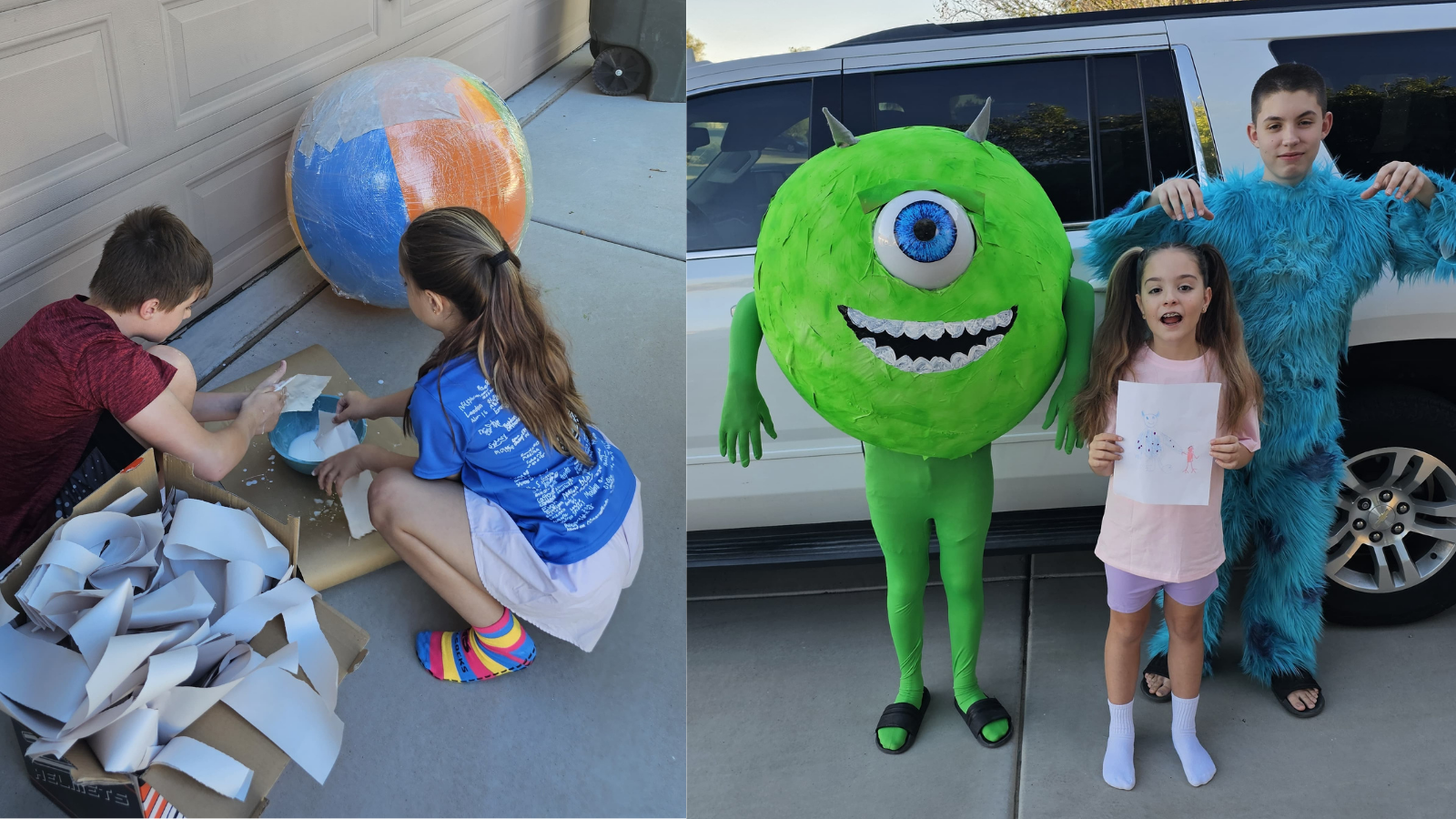
One of my greatest motivations is showing children that creativity can be so much more than a hobby. It can shape how they solve problems, express themselves, and even build a future career.
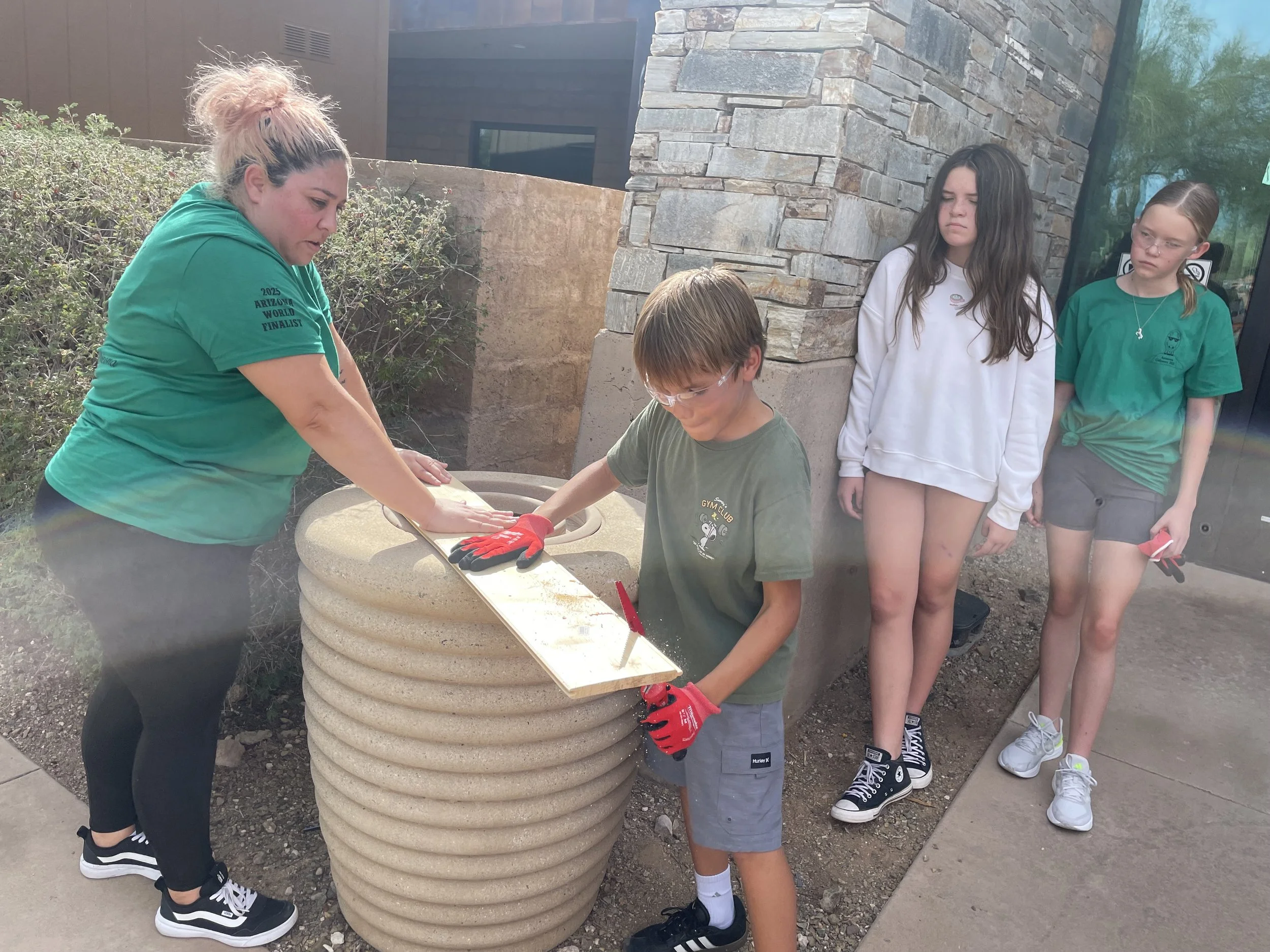
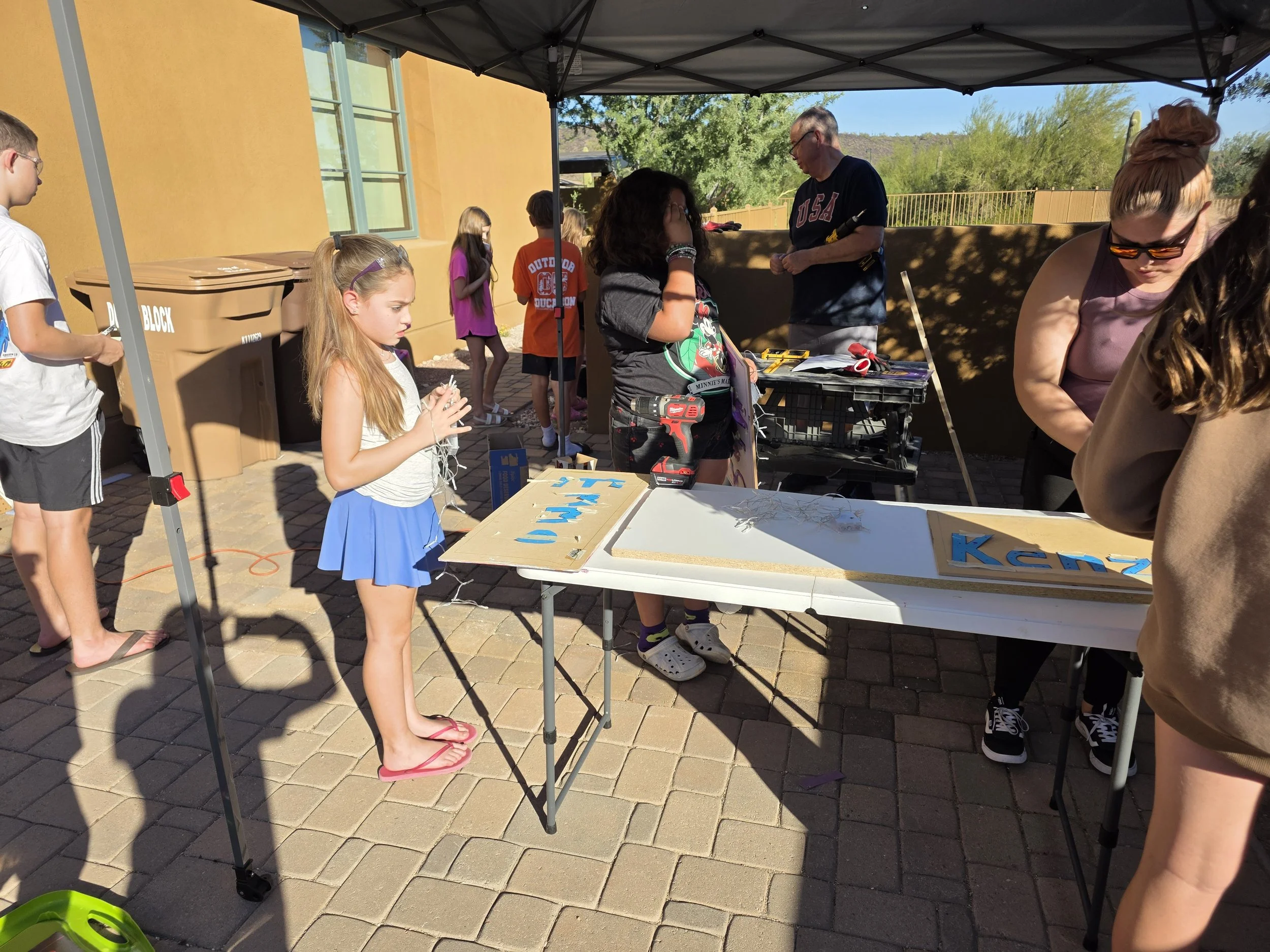
Nancy teaches students that creativity is also resourcefulness. We don’t wait for perfect materials, a dedicated workshop, or ideal conditions. We use what we have, solve the problem in front of us, and build anyway—even when an outdoor trash can has to become the workbench.
I want children to understand that creativity has a place in every part of life, whether they grow up to become artists, photographers, engineers, architects, entrepreneurs, performers, or something that doesn’t even exist yet.
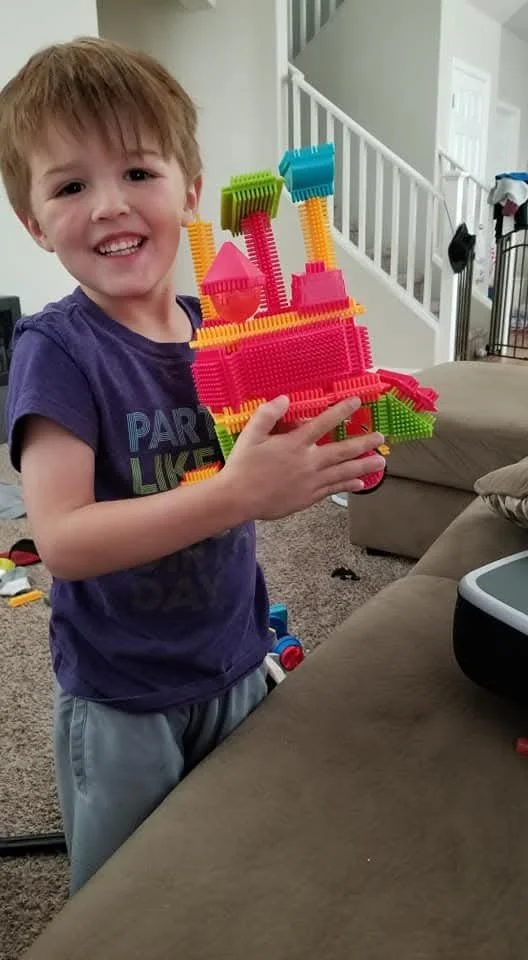
Seeing that same creative spark in my own children made CIP feel like the perfect fit for our family.
There was never really a question.
CIP doesn’t simply give students a set of instructions and ask them to recreate an example. It challenges them to think.
They’re encouraged to ask questions, experiment with their ideas, and discover their own solutions. They learn how to take something that exists only in their imagination and turn it into something they can build, perform, explain, and share with others.
And that process doesn’t always work perfectly the first time—which is one of the things I value most about it.
At CIP, failure isn’t treated as the end of a project. It’s part of the process. Students learn to look at what went wrong, make changes, and try again.
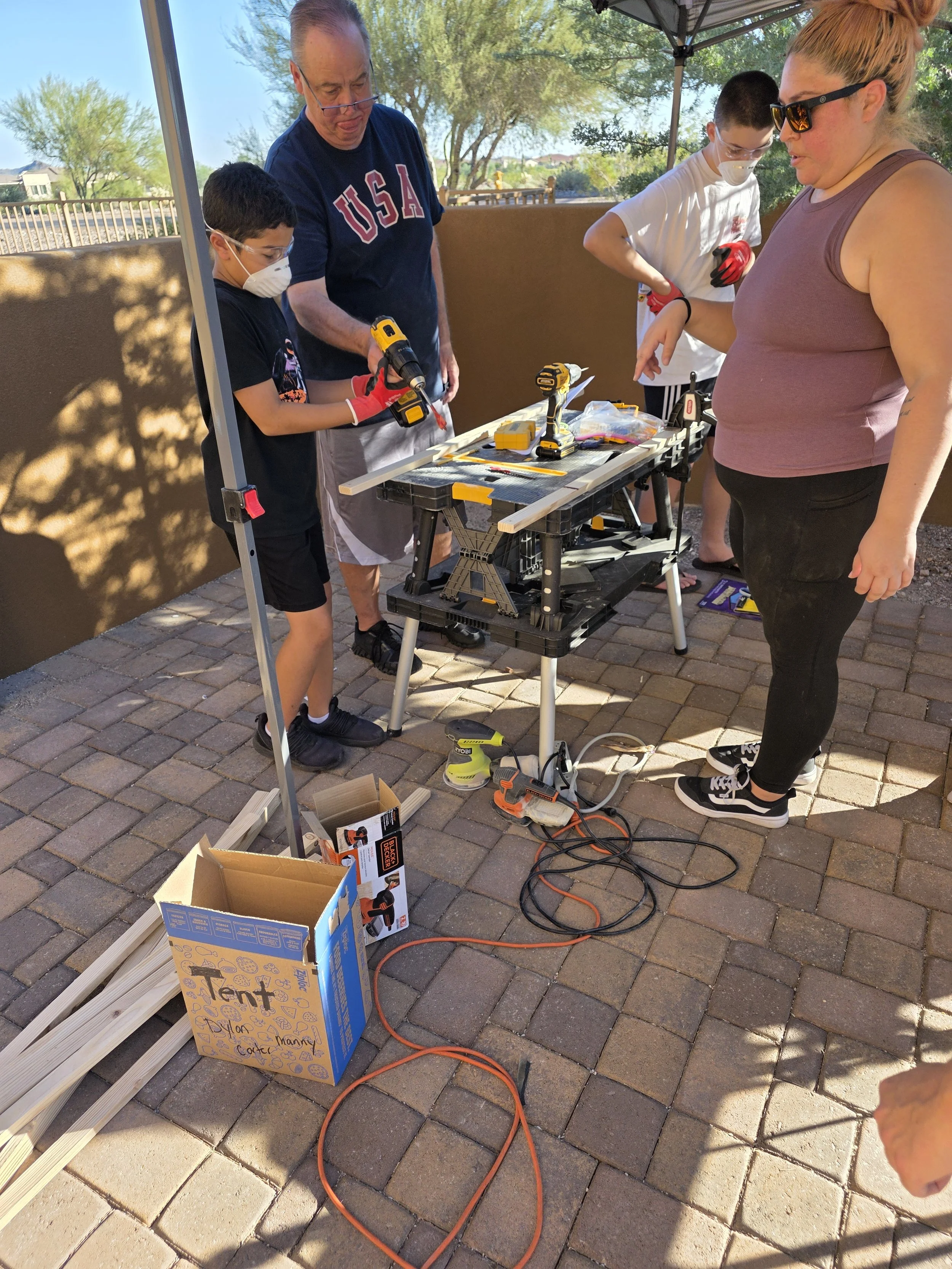
They discover that when an idea doesn’t work, it doesn’t mean they aren’t capable. It simply means they have more thinking, testing, and improving to do.
That kind of perseverance can’t always be taught through a worksheet. Kids need the chance to experience it for themselves.
CIP also gives my children the opportunity to be part of a team.
They learn that collaboration is about much more than dividing up the work. It means listening to different ideas, communicating respectfully, working through disagreements, recognizing one another’s strengths, and finding a way forward together.
They learn when to lead, when to listen, and how their individual contributions can affect the whole team.
They’re also building confidence in sharing their ideas. Whether they’re presenting a solution, explaining how something works, performing in front of an audience, or standing behind the choices they made, they’re learning how to speak clearly and confidently.
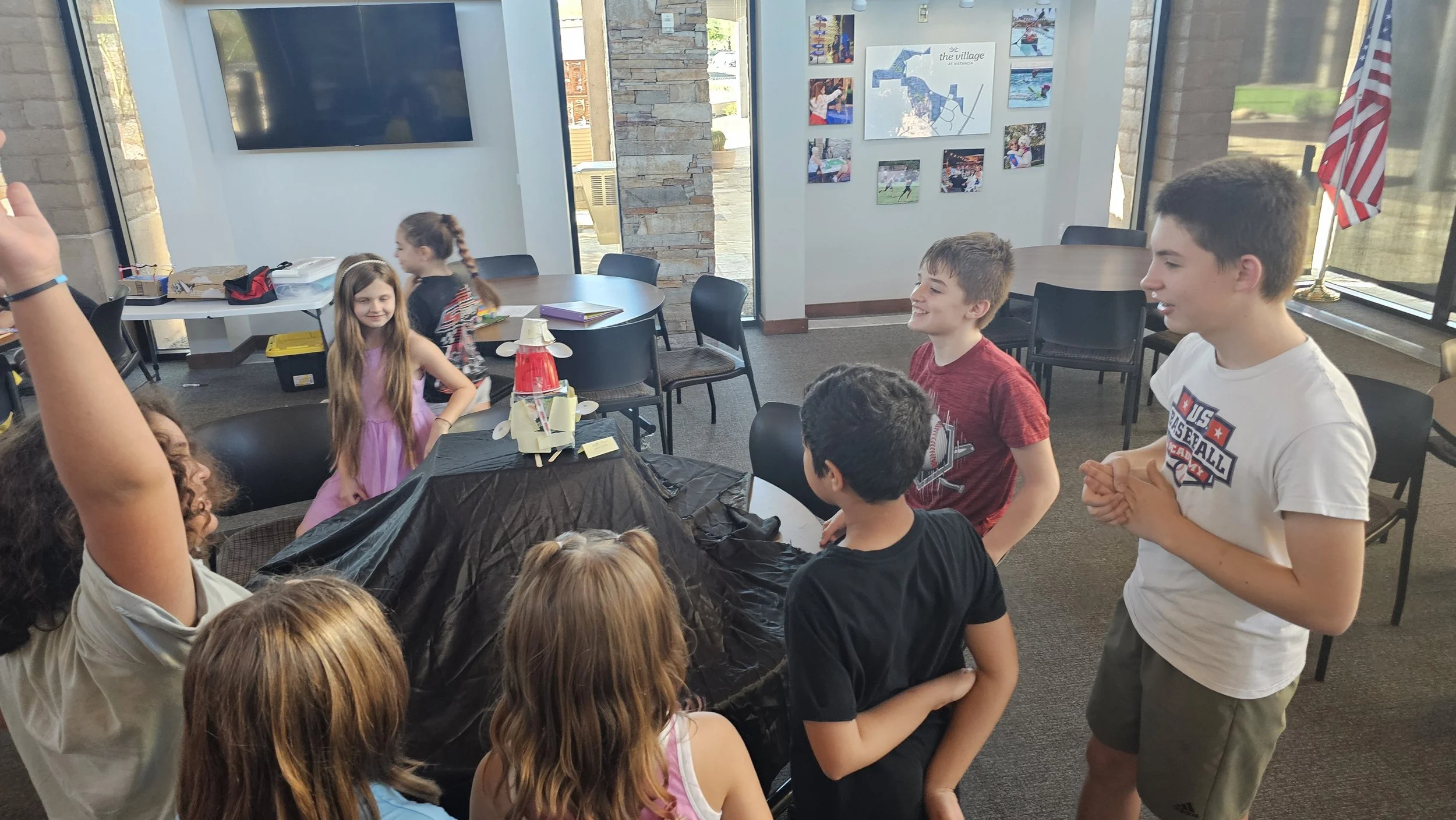
Most importantly, they’re learning that their ideas have value.
I also love that CIP gives students the space to learn at their own pace and in their own way.
Coaches provide guidance, encouragement, and the right questions, but the ideas and solutions still belong to the students. There’s room for different personalities, learning styles, interests, and strengths.
A student who loves engineering can create alongside someone who loves art, storytelling, building, performing, or organizing. There isn’t just one way to be creative—and creativity isn’t limited to one type of child.
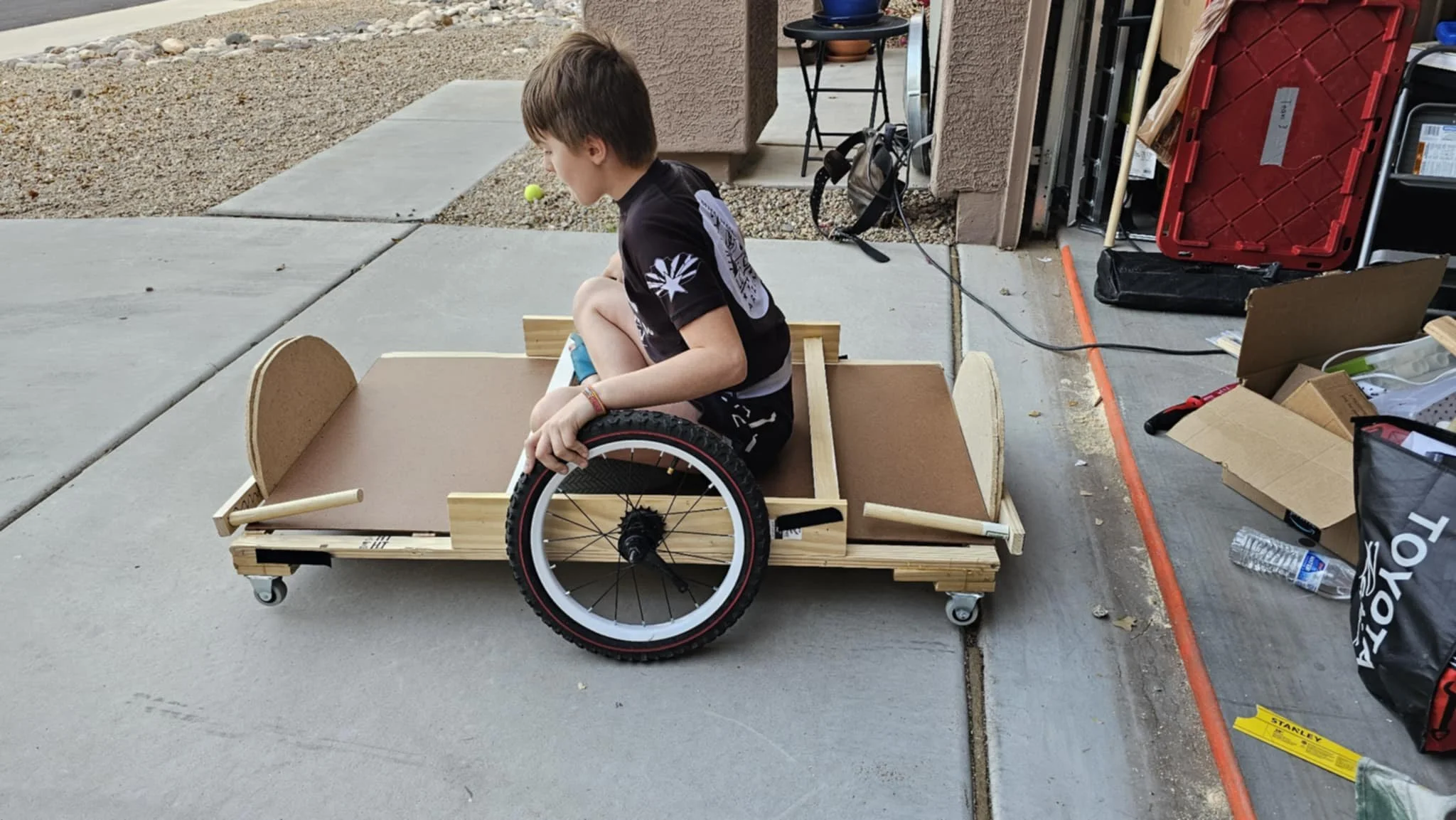
Julian’s love of cars and engineering has given him a natural starting point for creativity—and CIP has challenged him to turn that interest into ideas he can build, test, explain, and share with a team.
Through CIP, students also get to apply STEAM concepts in ways that feel purposeful.
Science, technology, engineering, art, and math aren’t treated as completely separate subjects. They become tools students can use to solve problems and bring their ideas to life.
Instead of asking, “When am I ever going to use this?” they begin discovering the answer for themselves.
For our family, CIP complements homeschooling because it fills some of the spaces that can be difficult to recreate at home.
It gives my children a community, a team, meaningful challenges, trusted coaches, and opportunities to grow through hands-on experiences. It builds on the creativity and independence we value in our homeschool while adding collaboration, public speaking, leadership, adaptability, and shared problem-solving.
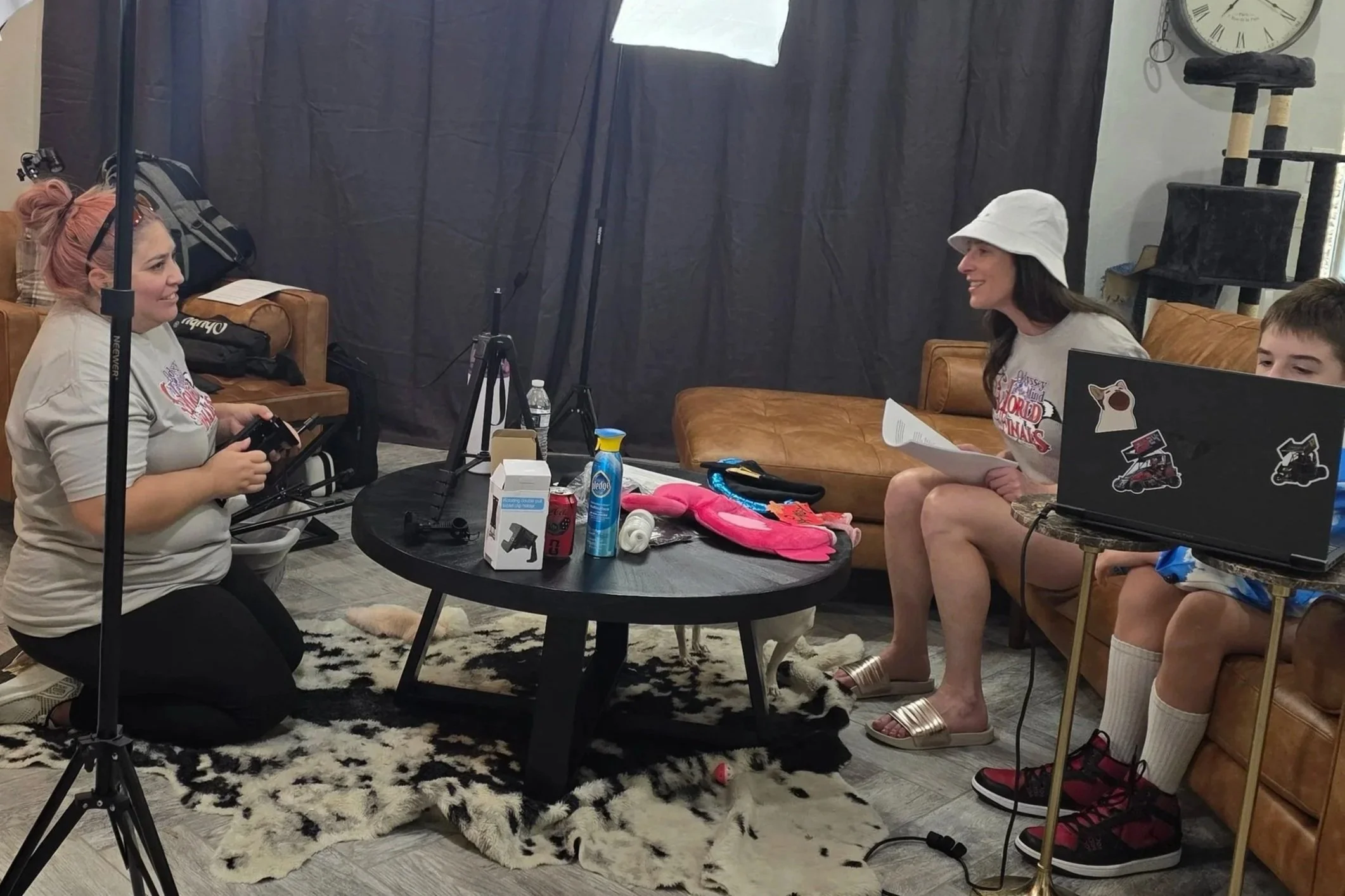
Learning to communicate an idea is part of bringing it to life. Behind the scenes of a CIP Network recording, Nancy helps create opportunities for students to collaborate, practice public speaking, and share their work with a real audience.
I chose CIP because I wanted more than another class for my children.
I wanted a place where they could imagine boldly, think differently, take risks, make mistakes, solve meaningful problems, and learn how to turn “What if?” into “Look what we created!”
CIP isn’t simply another extracurricular activity for us.
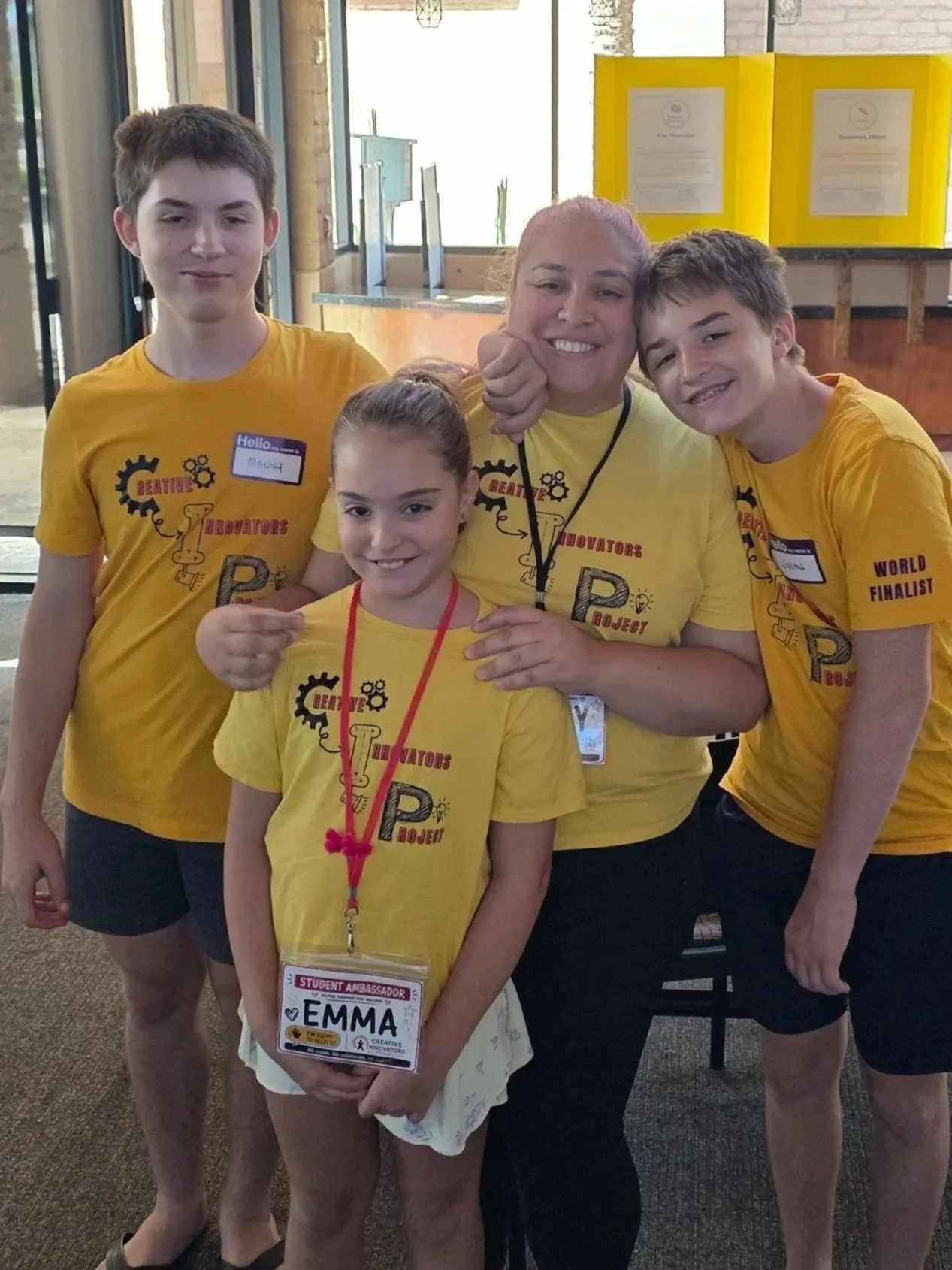
The Zayas Family is ready to welcome you and your whole family, too!
It has become an important part of our homeschool journey—and an experience I truly believe can benefit children from every educational background.
Looking for More Than Another Homeschool Class?
Creative Innovators Project gives young people a place to create alongside a consistent team, take on meaningful challenges, and develop the collaboration, communication, resilience, and leadership skills that can be difficult to practice at home alone.
Students are trusted to imagine boldly, work through disagreements, experiment with real ideas, learn from failure, and contribute something only they could bring to the team. Families become part of a community that values different personalities, interests, learning styles, and ways of thinking.
For homeschool families seeking more than another individual class or one-time project, CIP offers something deeper: a place for independent learners to discover what they can accomplish together.
Come create with us. Your child’s team may be waiting.
Creative Innovators Project accepts Arizona ESA funds through ClassWallet for eligible programming.