
Skip to content
Creative Innovators Project

Coaching opportunities

Help guide the next generation of innovators.

Coaching at Creative Innovators Project is not traditional sports coaching — and you do not need to be an engineer, artist, teacher, or Odyssey of the Mind expert to make a meaningful impact. Parents, grandparents, family members, and community members are all welcome. You do not need to have a child enrolled in CIP to coach.

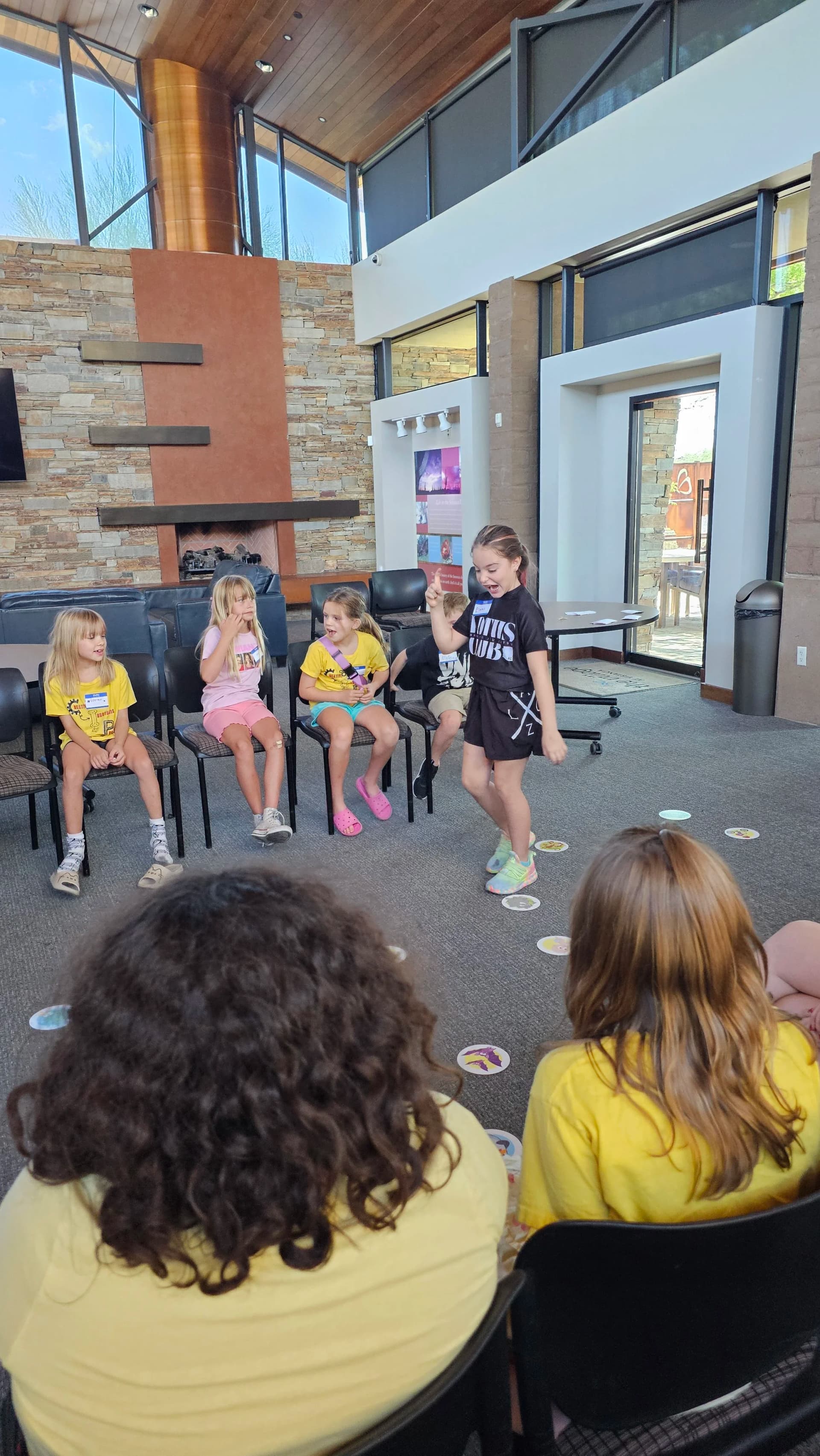
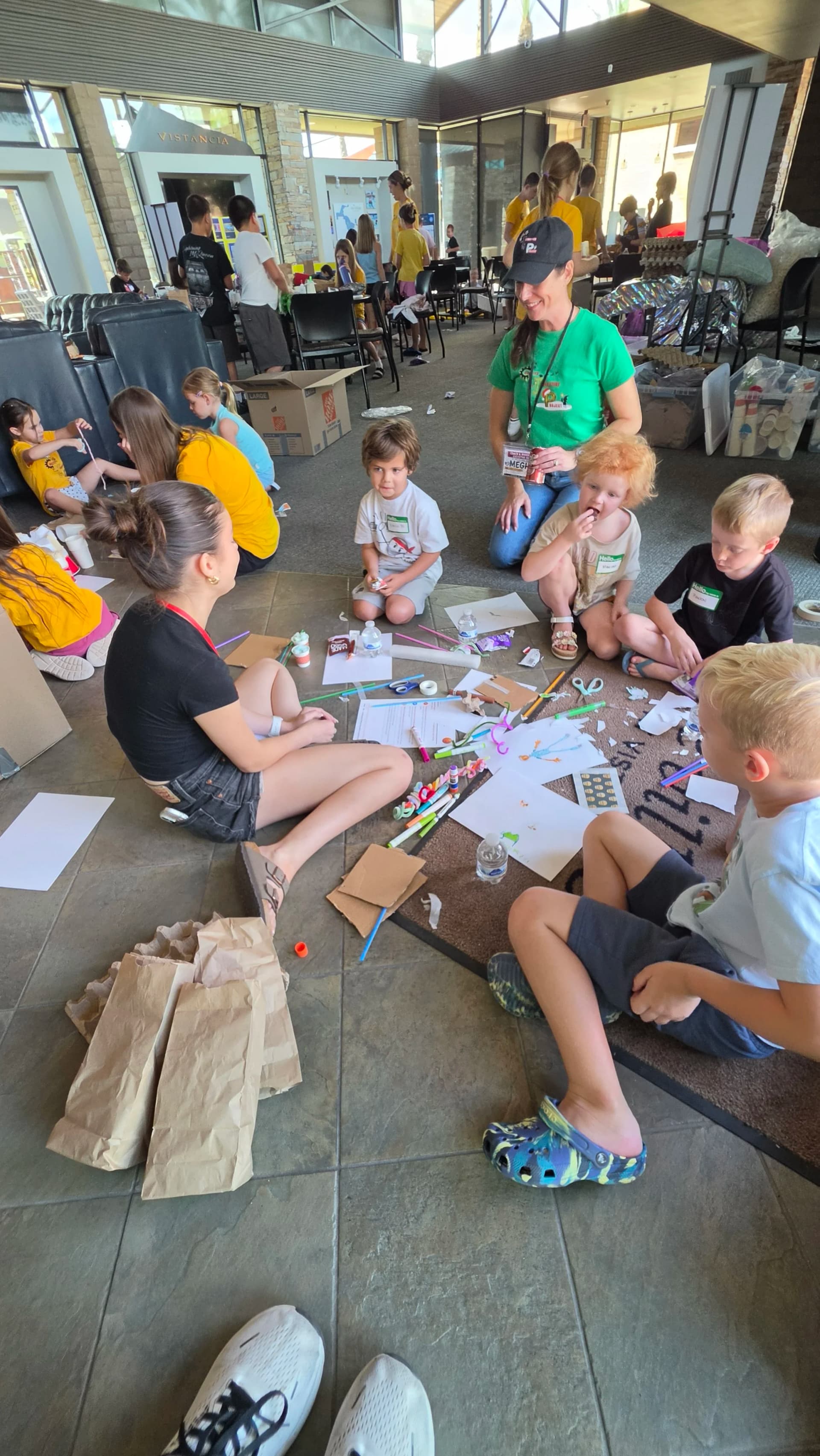
A CIP coach working alongside students
$250 membership discount per enrolled student

Head Coach

Provides the primary leadership and guidance for a CIP team throughout the season, working closely with CIP leadership, students, families, and the Assistant Coach to keep the team safe, organized, supported, and moving forward.

The Head Coach is expected to:

  • · Attend and lead weekly team practices
  • · Become familiar with CIP policies, safety procedures, and team expectations
  • · Learn the team's Odyssey of the Mind Long-Term Problem and applicable competition rules
  • · Guide students through brainstorming, planning, building, writing, practicing, and problem-solving
  • · Use questions and coaching techniques that keep the ideas and work student-led
  • · Create a respectful environment where every student can contribute
  • · Help students communicate, compromise, manage disagreements, and work as a team
  • · Monitor the safe and appropriate use of tools, materials, and the workspace
  • · Help the team establish goals, assign responsibilities, and manage its time
  • · Communicate updates, needs, and concerns with CIP leadership; keep families informed
  • · Attend required coach meetings, training sessions, and competition events
  • · Follow and uphold CIP's student safety, emergency, and check-in/check-out procedures

The Head Coach is not expected to know everything. CIP leadership provides guidance, resources, and support throughout the season.
$150 membership discount per enrolled student

Assistant Coach

Works alongside the Head Coach to support the team and help practices run safely and effectively — supervising activities, teaching skills, organizing materials, guiding small-group work, and providing support wherever the team needs it most.

The Assistant Coach is expected to:

  • · Attend weekly practices consistently
  • · Support the Head Coach in carrying out practice plans and team goals
  • · Help supervise students, tools, materials, and work areas
  • · Work with individual students or small groups while keeping the work student-led
  • · Ask guiding questions without providing solutions or doing the work for students
  • · Help students stay focused, organized, and engaged
  • · Encourage respectful communication and participation from every team member
  • · Assist with setup, cleanup, material organization, and workspace management
  • · Step in to help lead a practice when arranged with the Head Coach and CIP leadership
  • · Attend required training, meetings, and competition events

The Head Coach remains the primary point of contact, but the Head and Assistant Coach work together as a consistent coaching team.

What coaching at CIP looks like

Adult guidance matters — but the ideas, decisions, designs, and work belong to the students.

Coaches do

  • ✓ Ask questions that help students explore their ideas
  • ✓ Teach students to use tools, materials, and creative processes safely
  • ✓ Help the team break large projects into manageable steps
  • ✓ Encourage students to test, revise, and learn from unsuccessful attempts
  • ✓ Help students consider different perspectives and include everyone's ideas
  • ✓ Provide structure, supervision, encouragement, and accountability
  • ✓ Celebrate effort, growth, teamwork, and creative risk-taking
  • ✓ Follow all CIP policies, safety procedures, and emergency protocols

Coaches do not

  • ✕ Design or build the team's solution
  • ✕ Write scripts, create props, make costumes, or solve challenges for students
  • ✕ Tell the team which idea to choose
  • ✕ Take over a project because a deadline is approaching
  • ✕ Allow parents or other adults to complete the students' work
  • ✕ Share confidential student or family information
  • ✕ Use language or behavior that is disrespectful, intimidating, or discouraging

What the season looks like

Five stages, one team.

  1. 1
    September

    Beginning of the season — building teams

    Coaches focus on creating a strong foundation: CIP policies, safety expectations, tool procedures, teamwork skills, and the creative problem-solving process.

    • · Get to know one another
    • · Identify individual strengths and interests
    • · Practice brainstorming and collaboration
    • · Learn how to disagree respectfully
    • · Explore tools and materials safely
    • · Review and understand the Long-Term Problem
    • · Begin identifying possible ideas and team goals
  2. 2
    October – December

    Middle of the season — planning & creating

    Students develop, test, and refine their solution: building structures or devices, writing a script, creating characters, designing costumes, making scenery, solving technical elements — or all of the above.

    • · Break the problem into smaller sections
    • · Create a realistic timeline
    • · Assign and track student responsibilities
    • · Identify materials and supply needs
    • · Test ideas before committing to them
    • · Document progress and decisions
    • · Keep the solution within the rules and cost limit
  3. 3
    January – February

    Competition preparation

    Practices become more focused and may increase in frequency. The team combines all parts of its solution, practices its presentation, makes repairs, completes paperwork, and prepares for Spontaneous.

    • · Track deadlines and unfinished work
    • · Practice the complete solution start to finish
    • · Improve transitions, timing, and organization
    • · Prepare props, costumes, and devices for transport
    • · Practice different types of Spontaneous Problems
    • · Complete required team paperwork
  4. 4
    February (Regionals) · March (State)

    Tournament day

    Coaches support their team through check-in, staging, the Long-Term performance, Spontaneous, awards, and other activities — while students remain responsible for their solution and competition work.

    • · Arrive prepared and on time
    • · Have materials and paperwork ready
    • · Follow tournament and facility rules
    • · Remain together and properly supervised
    • · Represent CIP with respect and good sportsmanship
  5. 5
    After competition

    Reflection — and maybe the next level

    Coaches help students reflect, recognize their growth, and celebrate. If a team advances, the commitment continues: review feedback, make student-led improvements, fundraise, and attend additional practices.

Time commitment

CIP's regular season runs from approximately August through May. Coaches should plan for:

  • · Weekly three-hour team practices
  • · Required coach orientations, meetings, and training
  • · Preparation and communication between practices
  • · Additional practices as competition approaches
  • · Regional competition and other required team events
  • · Continued practices and travel preparation if the team advances

Consistency is essential. Students depend on their coaches for stability, supervision, and follow-through.

Coach expectations

  • · Be dependable, punctual, and prepared
  • · Communicate promptly with CIP leadership and families
  • · Treat every student, family, volunteer, and staff member respectfully
  • · Protect confidential student and family information
  • · Support an inclusive environment where students feel safe contributing
  • · Follow all CIP safety, supervision, emergency, and behavior policies
  • · Model teamwork, patience, flexibility, and good sportsmanship
  • · Complete all required forms, acknowledgements, screenings, and training before serving

Coaches must never use physical punishment, humiliation, threats, discriminatory language, harassment, or aggressive behavior.

Working with your own child

Many CIP coaches are also parents of students on their team. It's rewarding — and it requires separating the parent role from responsibility to the whole team. Parent coaches should:

  • · Hold their own child to the same expectations as every other student
  • · Avoid giving their child extra attention, authority, or preferred assignments
  • · Let another coach address an issue when the parent-child dynamic affects the team
  • · Make decisions based on what supports the whole team
  • · Encourage their child to listen to and respect all coaches

Is coaching right for you?

You may be a great CIP coach if you…

  • Enjoy helping young people discover what they are capable of
  • Can guide students without taking over
  • Are patient when ideas don't work the first time
  • Value creativity, teamwork, leadership, and hands-on learning
  • Are willing to learn alongside the students
  • Can make a dependable, season-long commitment
  • Believe the process of learning matters as much as the result

You don't need to be an expert — you need to be dependable, curious, encouraging, and willing to help students do the thinking and creating for themselves.

Coach and students at practice

Training & support

CIP provides resources and guidance on policies and procedures, supervision and emergency protocols, tool and workspace safety, the creative problem-solving process, Odyssey rules and coach expectations, Long-Term and Spontaneous preparation, team organization and conflict management, and tournament-day procedures.

Ready to coach?

Complete the Coach Interest Form and a member of CIP leadership will contact you with information about available teams, training, expectations, and next steps.

Do you have a child enrolled in CIP?

Regular season practices are weekly, three hours, August–May

We only use your information to respond to your request. We never sell or share it.

Looking for another way to help?

Parents and volunteers can serve as a trained judge or tournament worker for the Regional Tournament — and receive a membership discount for their commitment.